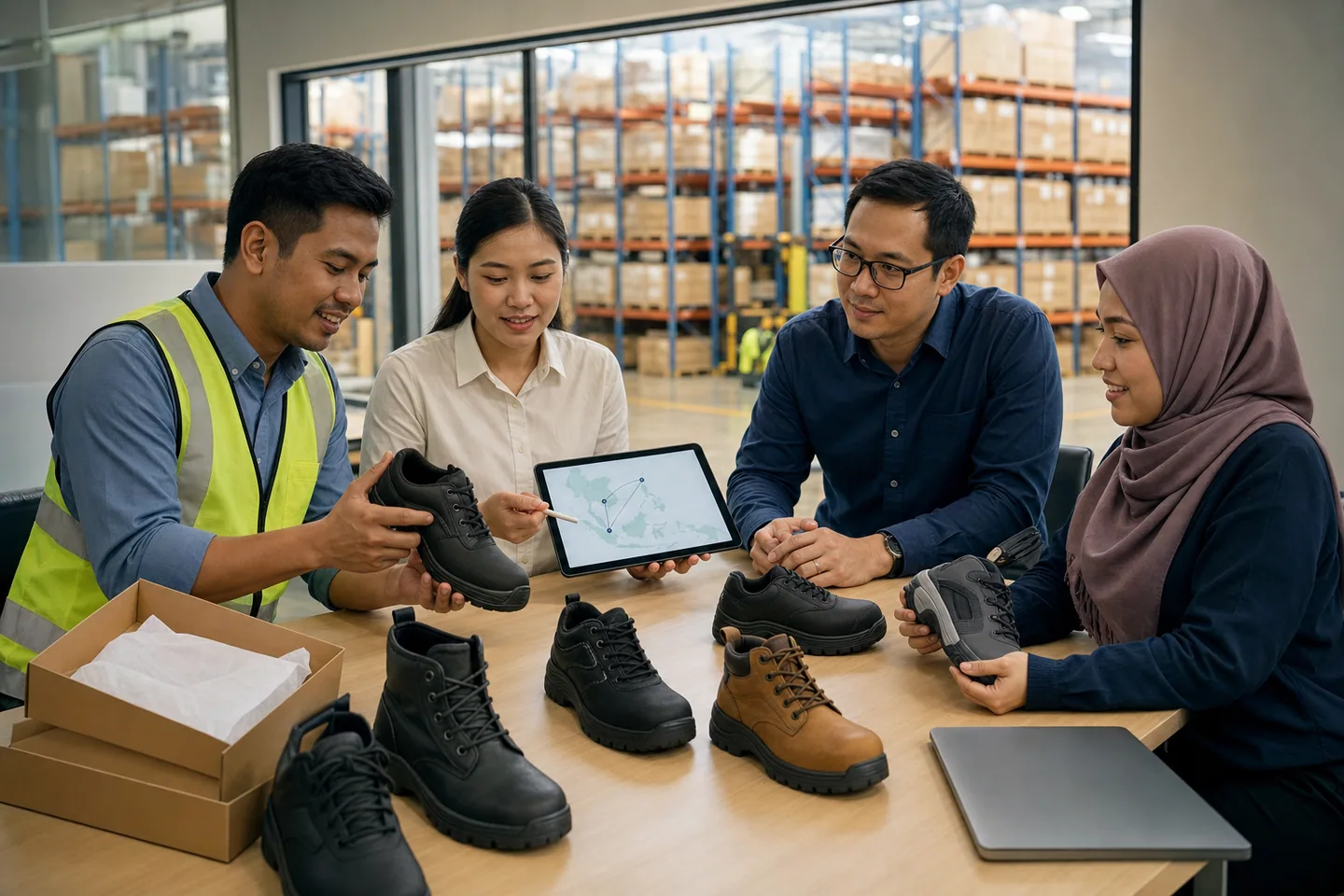
A Regional Safety Footwear Procurement Guide for Southeast Asia
How multi-country employers can standardise safety footwear procurement without ignoring local approvals, climate, fit and workplace hazards.

Foot protection knowledge
Standards translated into practical guidance for safety managers, procurement teams and industrial workers across Southeast Asia.
How multi-country employers can standardise safety footwear procurement without ignoring local approvals, climate, fit and workplace hazards.
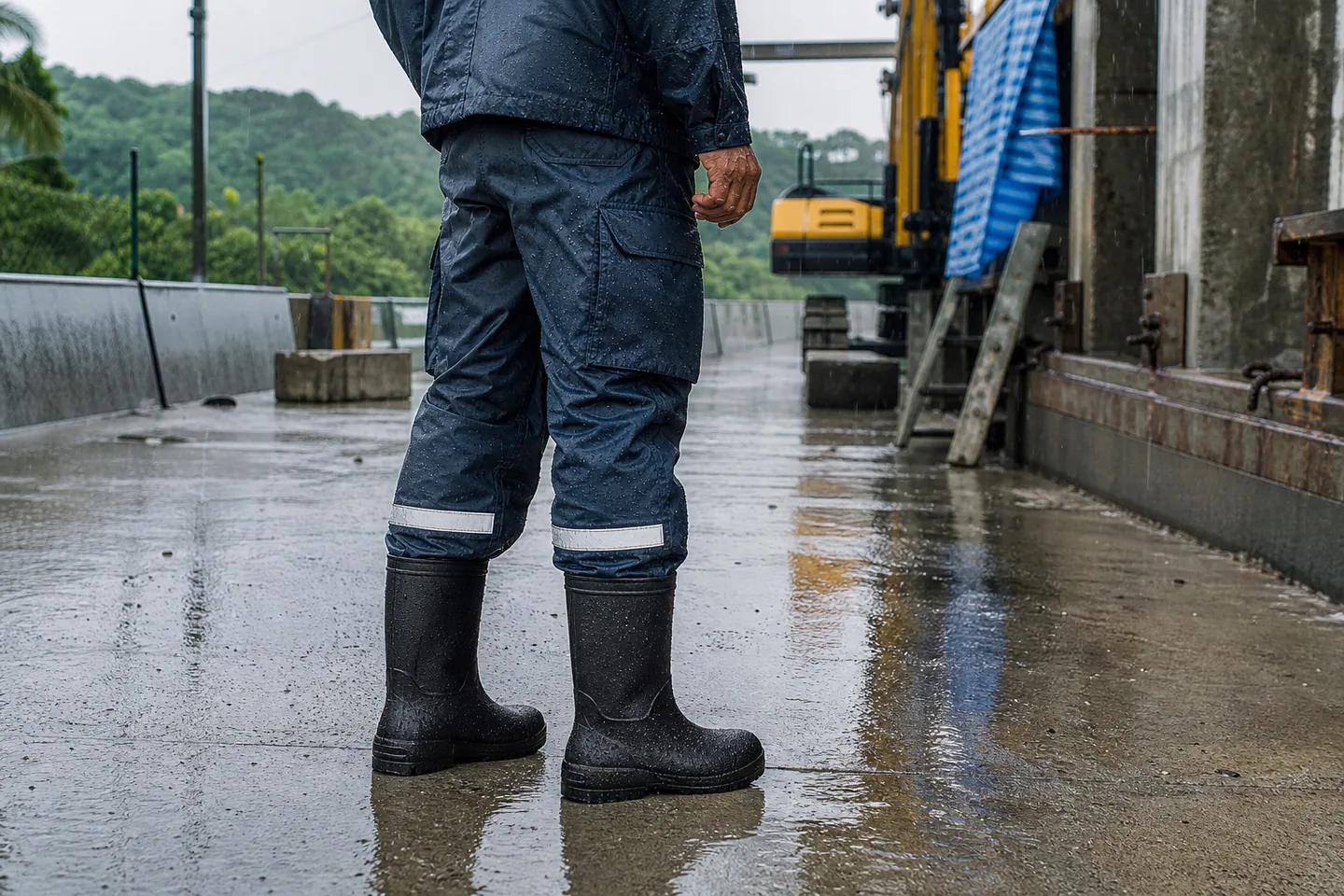
How to select waterproof safety boots for construction, agriculture, food processing, utilities and outdoor work in Southeast Asia.
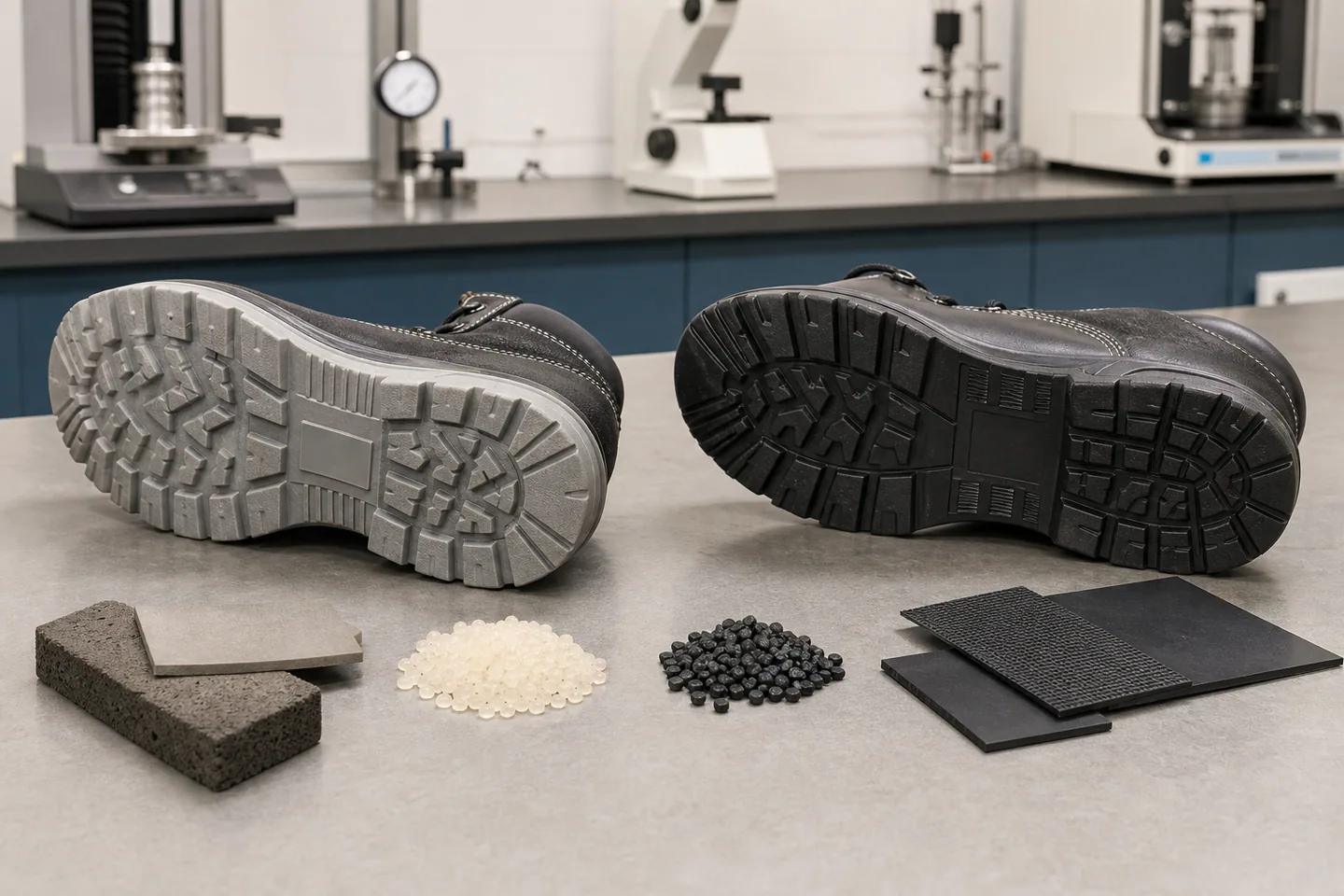
Compare polyurethane and nitrile-rubber safety shoe outsoles for weight, cushioning, heat, oil, chemicals and industrial use.
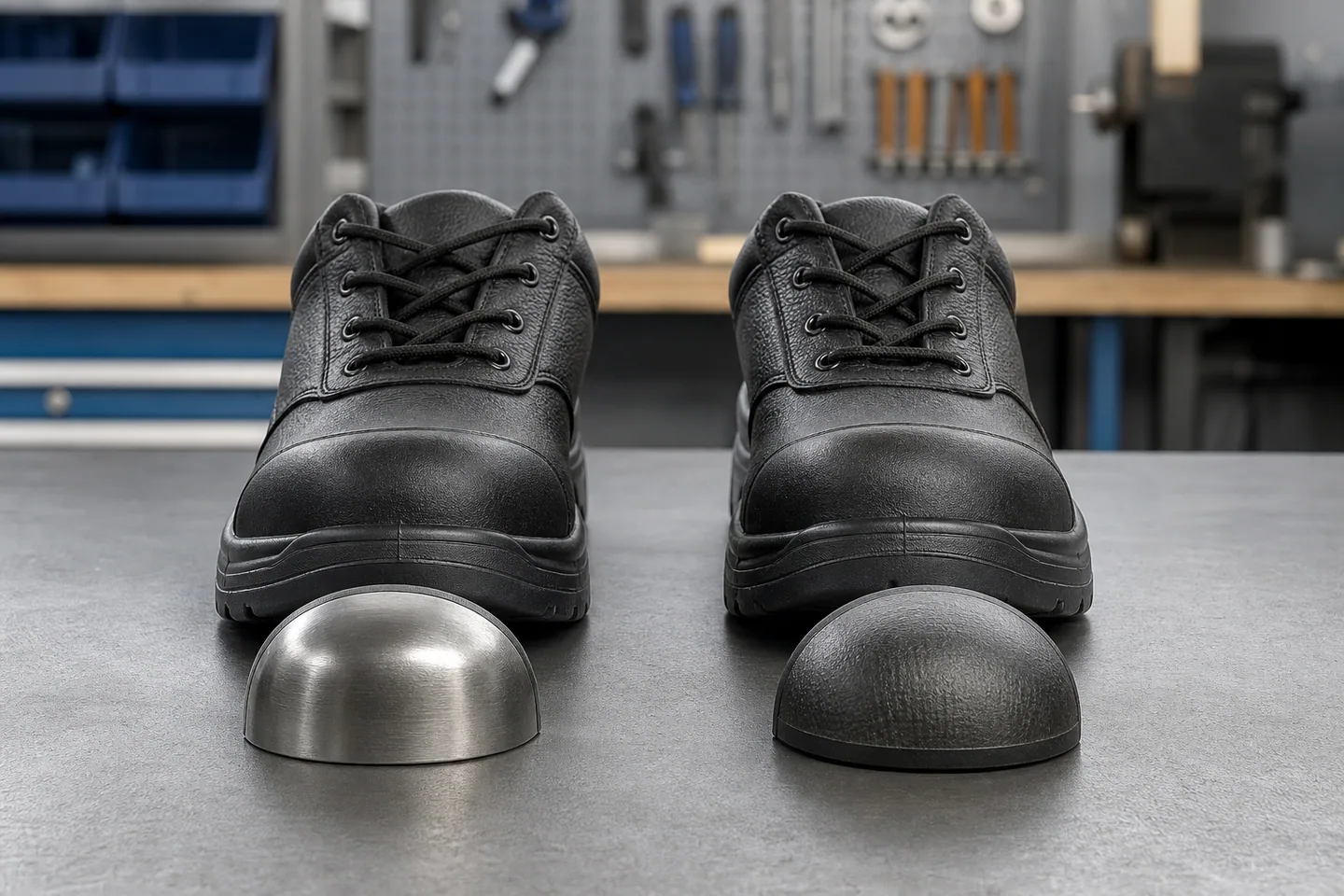
A balanced comparison of steel and fibreglass safety toe caps covering protection, weight, metal detection, temperature and fit.
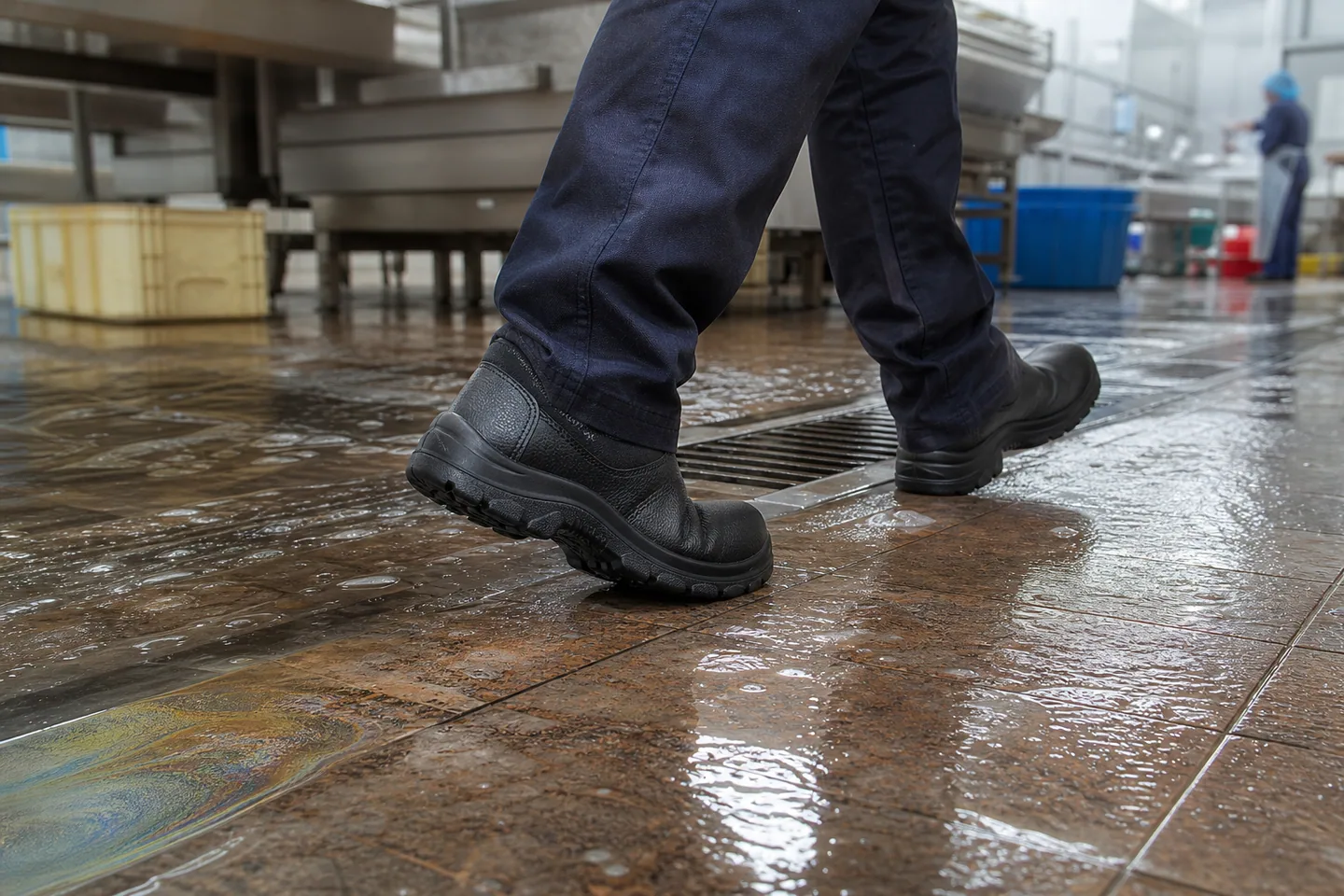
How floor material, contaminants, tread, outsole compound and maintenance influence safety shoe slip performance in Southeast Asia.
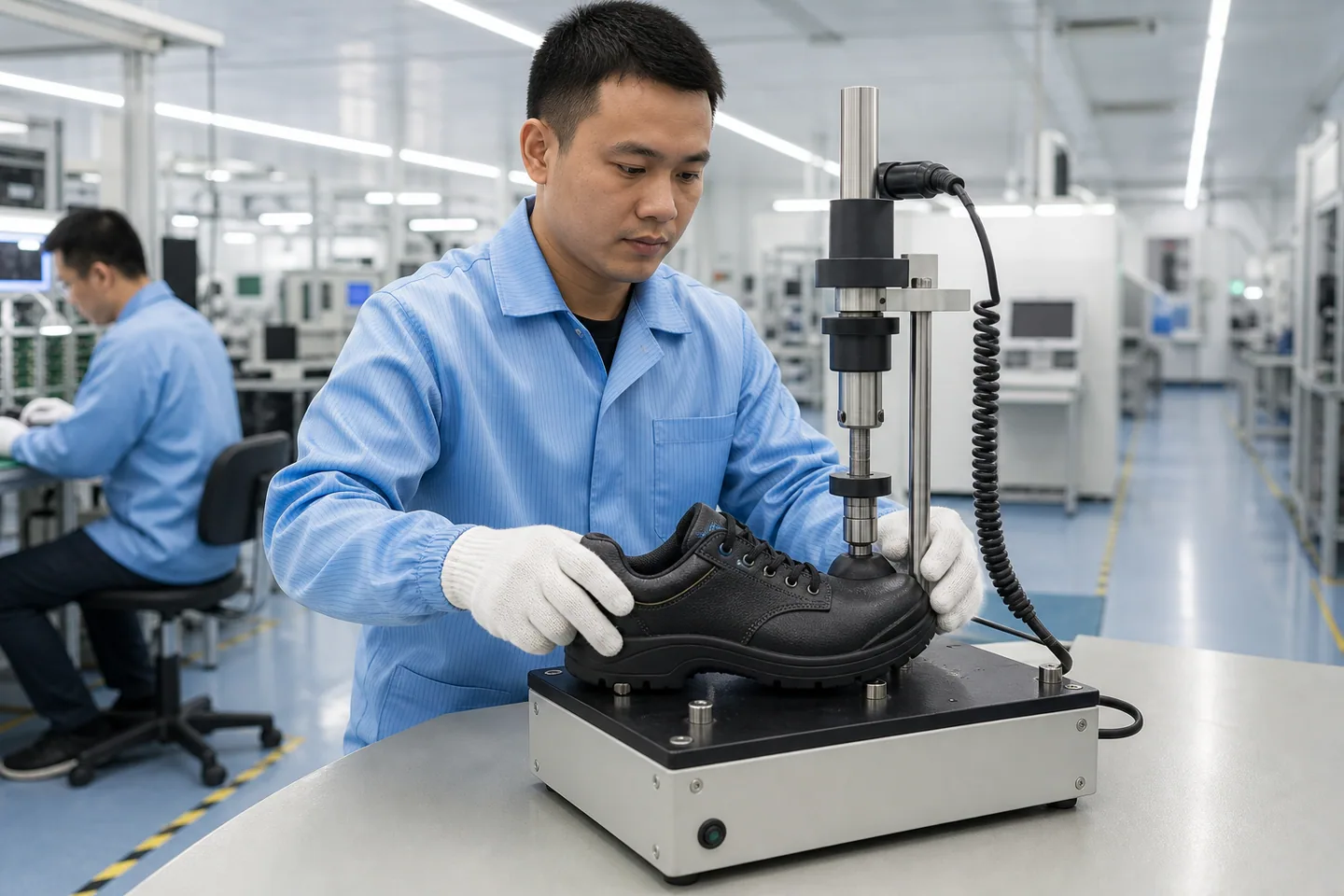
Why ESD footwear and antistatic safety shoes are related but not interchangeable—and how to manage them in electronics facilities.
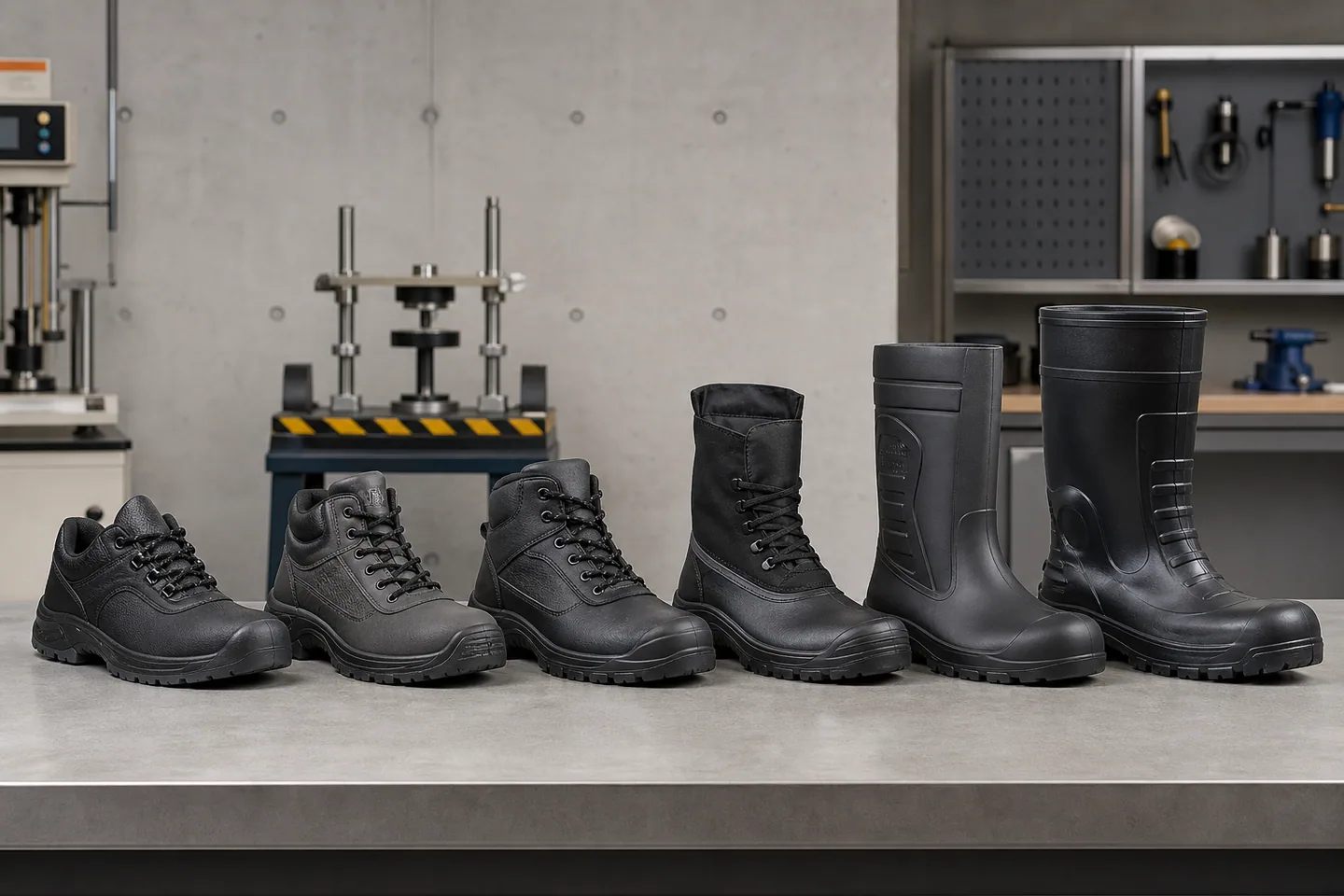
A plain-language comparison of common EN ISO 20345 safety footwear classes for indoor, outdoor and wet workplaces.

A practical seven-step method for matching safety footwear to hazards, standards, fit, climate and procurement requirements.
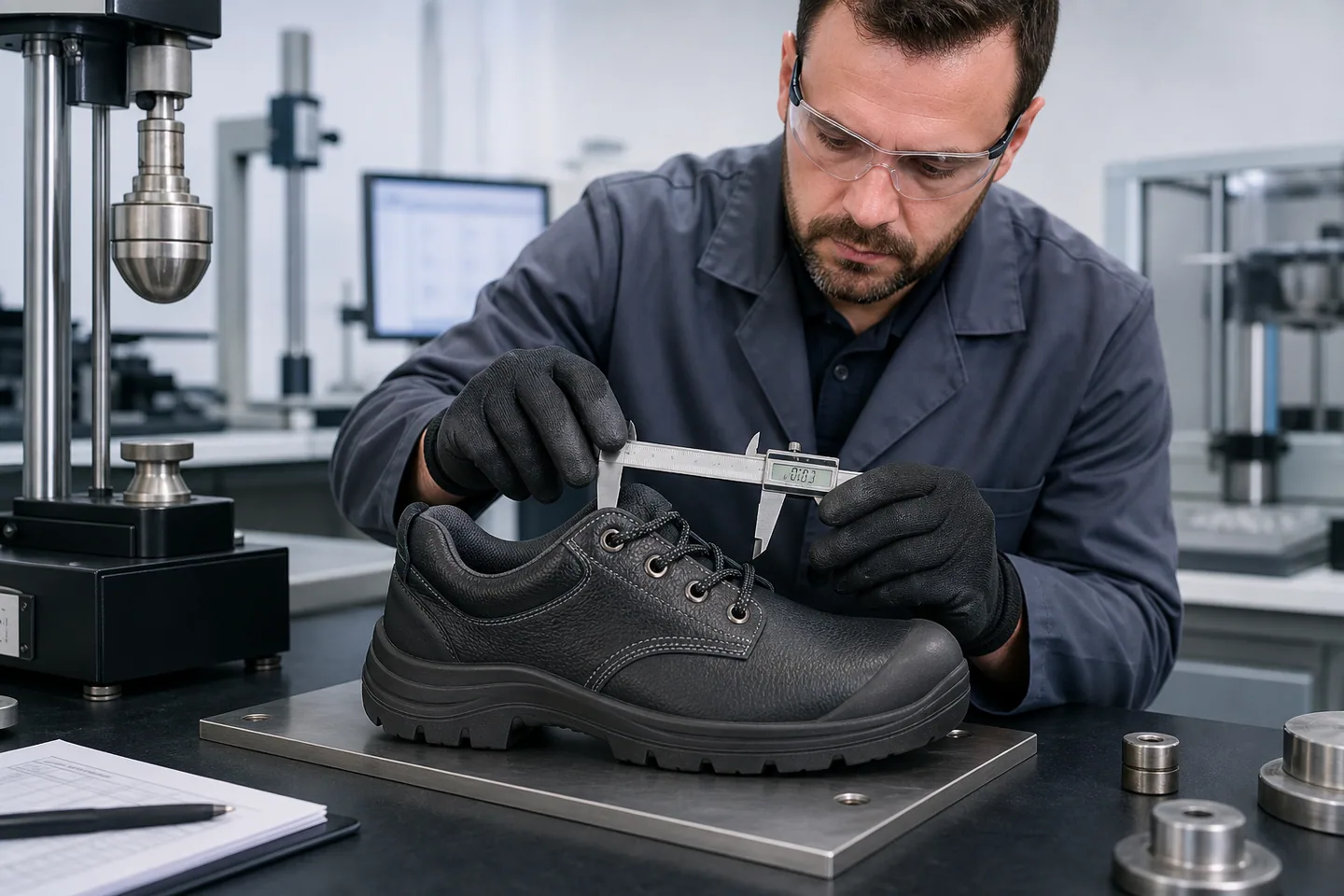
A practical explanation of newer safety footwear classes and markings, including S6, S7, P, PL, PS, WPA, FO and SR.
What DOSH–SIRIM approval means, why model-level verification matters, and how Malaysian buyers can check safety footwear before procurement.
Choose another topic.
Talk to a safety footwear specialist
Tell us your industry, workplace hazards, quantity and delivery market.