Direct answer
What you need to know
DOSH–SIRIM approved safety shoes are model-specific PPE products certified through SIRIM and approved by Malaysia’s Department of Occupational Safety and Health (DOSH/JKKP). Buyers should match the brand, model, standard, approval number and validity date against the current DOSH foot-protection list.
Safety footwear buyers in Malaysia often search for DOSH–SIRIM approved safety shoes, SIRIM–DOSH approval, SIRIM approved safety shoes or JKKP approved safety shoes. These phrases point to the same practical question: is the exact footwear model recognised for use under Malaysia's PPE approval framework?
What DOSH–SIRIM approval means
DOSH is Malaysia's Department of Occupational Safety and Health, also known by its Malay abbreviation, JKKP. SIRIM QAS performs product certification and testing activities within the approval pathway. The approval belongs to a specific product and model—not automatically to every shoe carrying the same brand.
That distinction matters. A catalogue may include footwear manufactured to an international standard, but Malaysian procurement requirements may also call for evidence that the particular model has a current DOSH approval number and SIRIM reference.
A five-point check for buyers
Before placing an order, compare these details with the current DOSH foot-protection approval list:
- Brand name and exact model code
- Product description and footwear type
- Referenced standard and protection class
- DOSH/JKKP approval number and SIRIM reference
- Approval and expiry dates
Do not rely only on a logo shown in a brochure, an old certificate or a seller's general statement that a brand is approved.
Approval does not replace risk assessment
Approval confirms that a model has followed the applicable conformity pathway. It does not decide whether that model is right for welding, warehousing, electronics, construction or wet food-processing floors. The employer still needs to assess impact, puncture, slip, heat, chemical, electrical and moisture hazards.
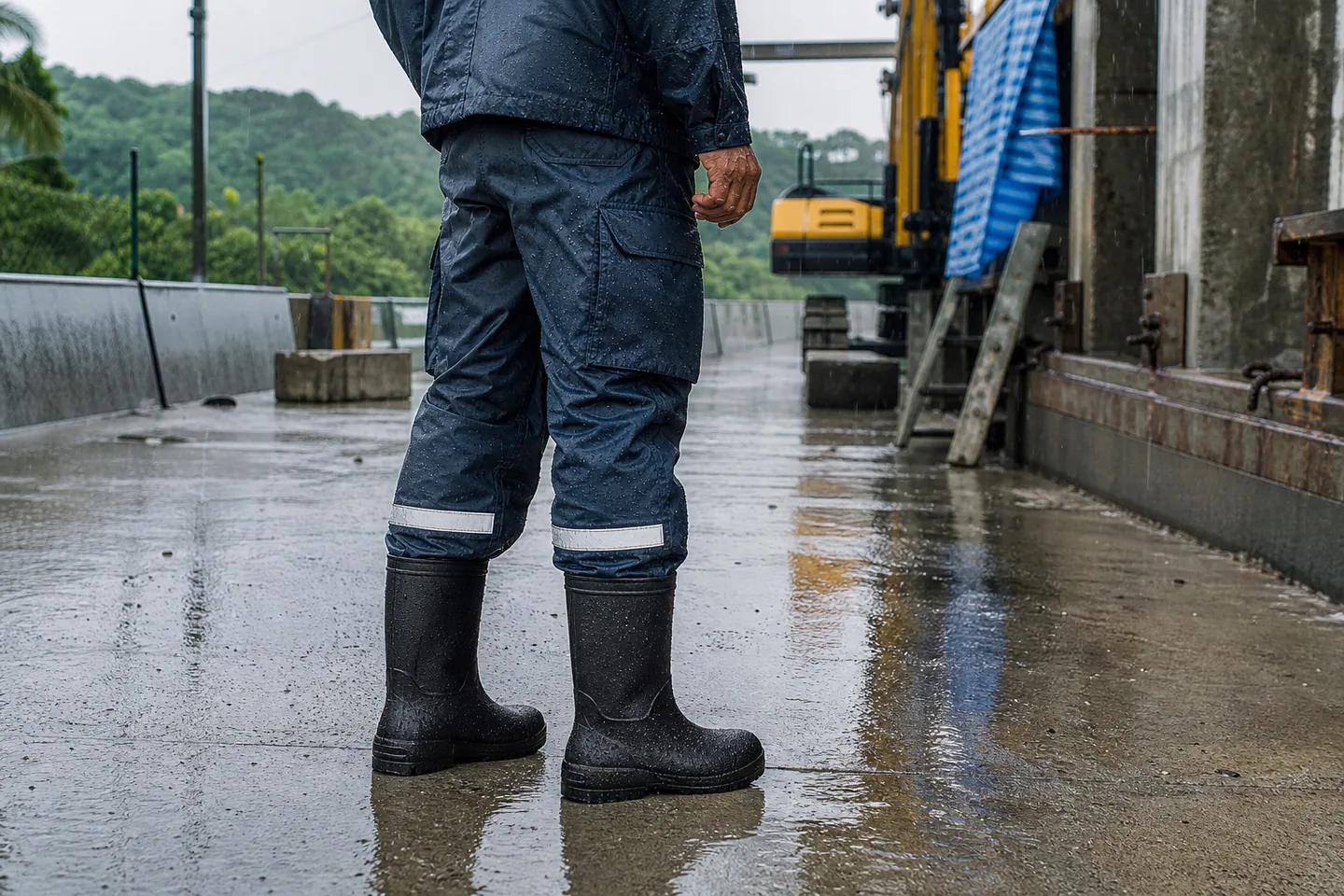
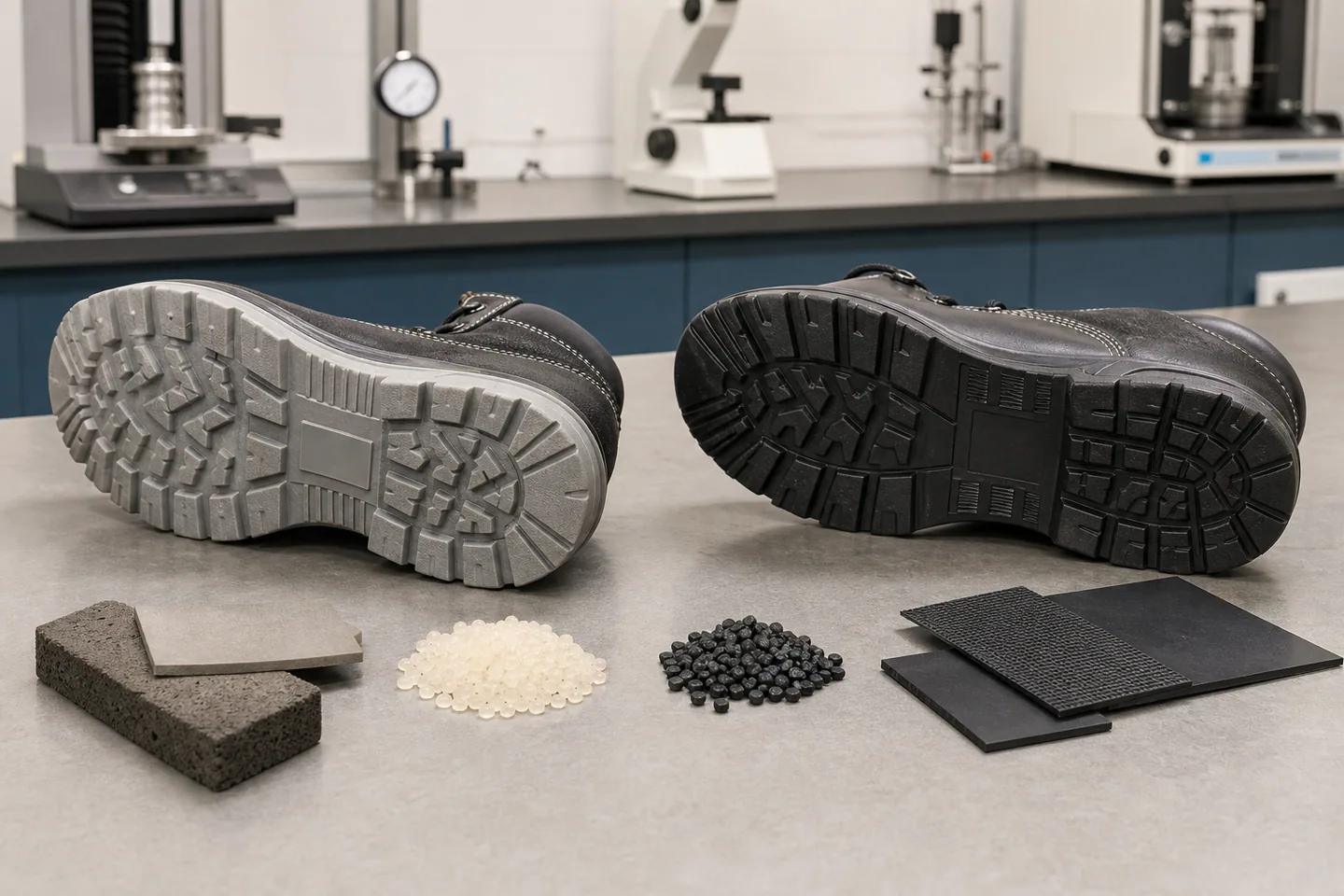
For example, a low-cut S1P-style shoe may suit a dry indoor plant, while a wet outdoor site may require water-related properties and a different outsole. A foundry may need HRO contact-heat performance. Electronics operations may need ESD control in addition to ordinary antistatic properties.
What to request from a supplier
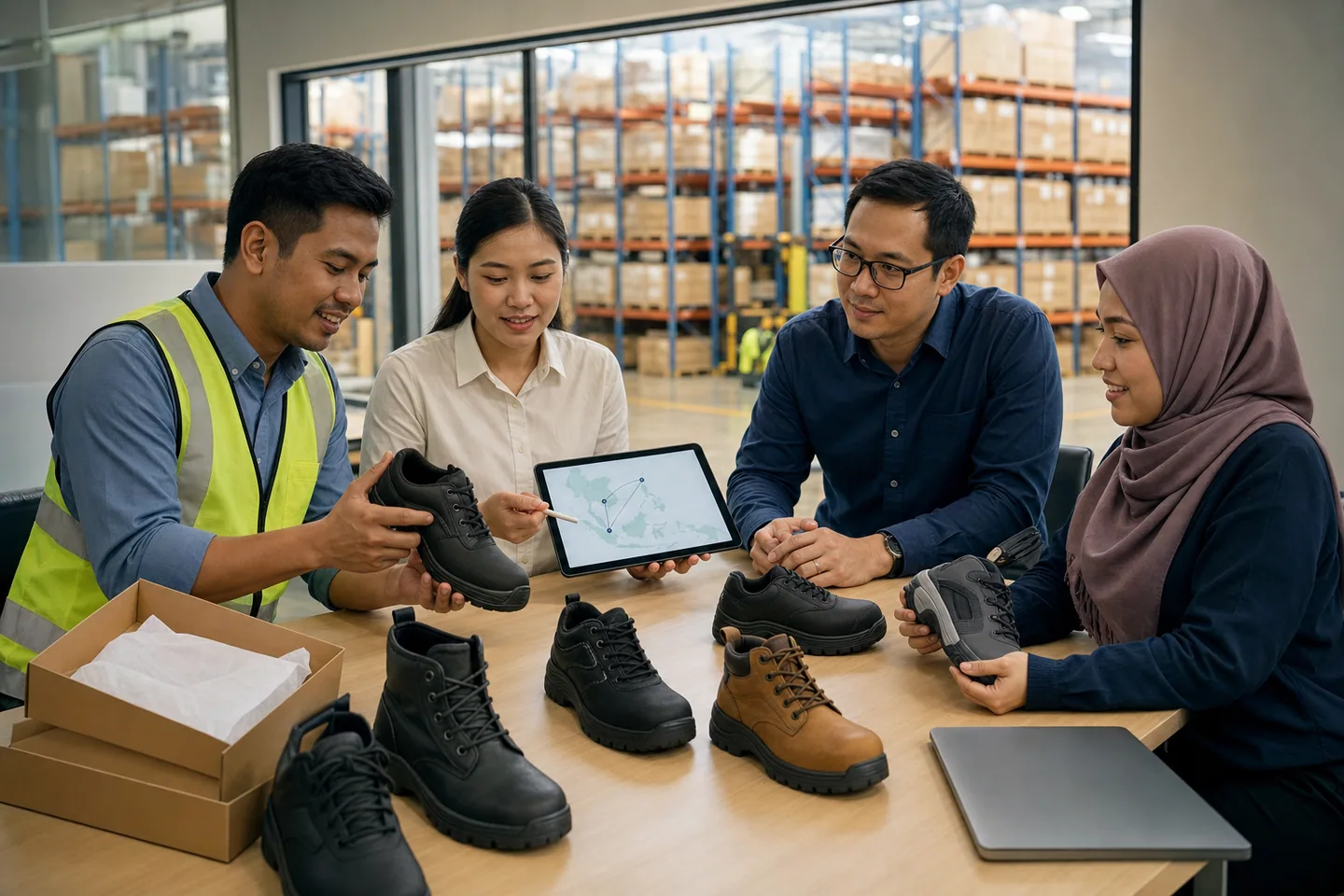
Ask for the latest technical data sheet, certificate or test report, DOSH/JKKP approval information, size range and confirmation of the marking on the physical shoe. For large projects, retain these documents with the PPE assessment and purchasing records.
RHINO SHOE is manufactured in Malaysia by Safetyware Sdn. Bhd.. Our team can help buyers compare workplace hazards with current model documentation before purchase. Because approvals can be renewed, amended or expire, the official DOSH database should remain the final verification point.
The short answer
“DOSH–SIRIM approved” should never be treated as a brand-wide slogan. Verify the exact model, current approval record and suitability for the actual worksite.
Safety footwear must be selected through a workplace risk assessment. Standards, certification and DOSH–SIRIM approval are model-specific; confirm current documentation before procurement.