
PU foam provides resilient cushioning across long shifts
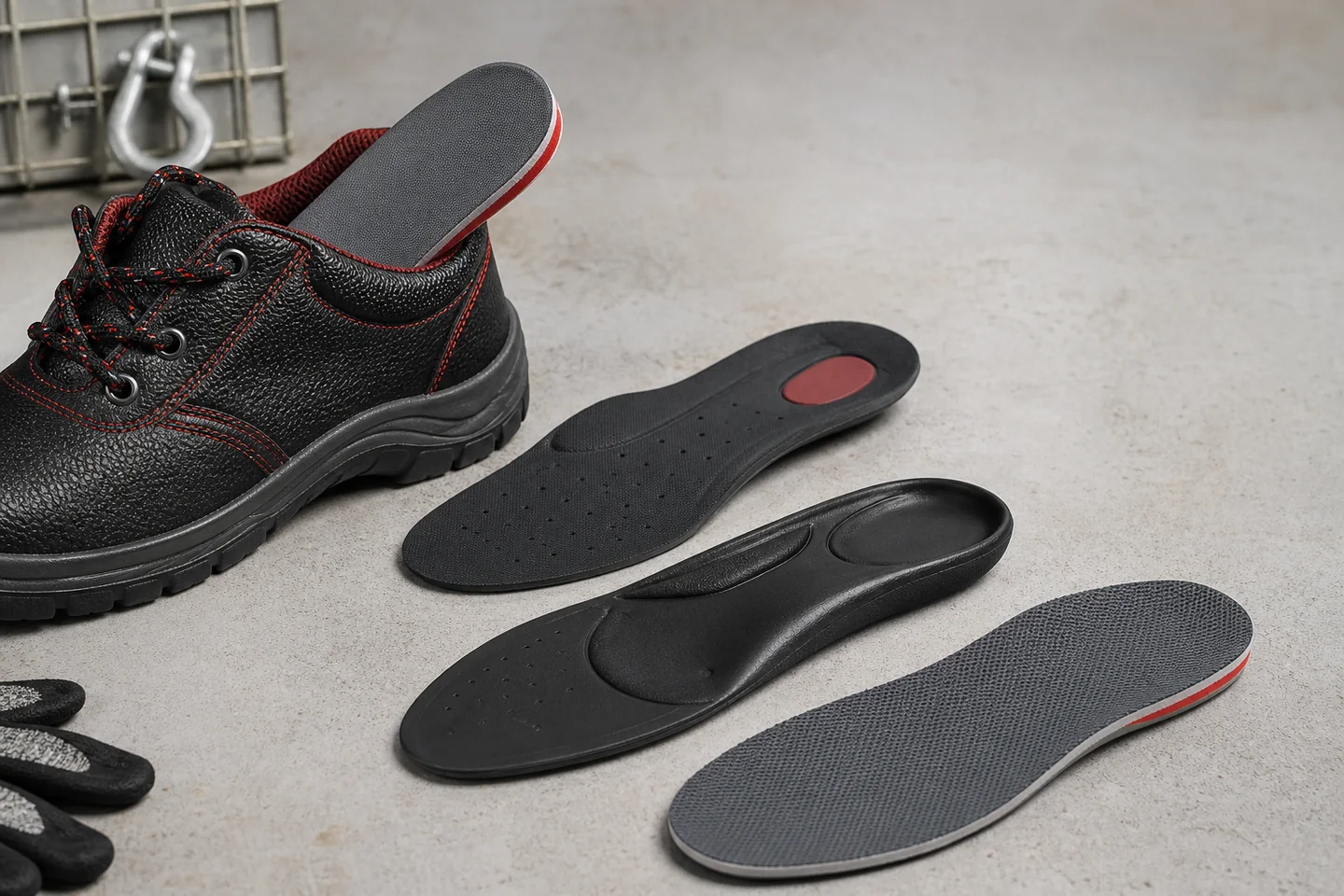
Underfoot comfort
Safety Shoe Insocks (Insoles)
The removable insock—commonly called the insole—affects fit, cushioning, moisture management and the integrity of certified footwear.
Why it matters
Make the material serve the risk.
An insock sits directly beneath the foot. It can provide cushioning, contour, moisture handling and a cleaner contact surface, but it also changes internal volume and may form part of the tested antistatic or ESD path.
Replacing an approved insock with an untested aftermarket product can change fit and electrical or impact performance. Use the RHINO-approved replacement specified for the model.
PVC can offer a durable, easy-clean and cost-efficient moulded option
Top covers influence moisture feel and friction
Thickness and heel geometry affect toe clearance and stability
Compare the options
PU and PVC insock comparison
Material quality, density, moulding and top-cover design determine real comfort more than the polymer name alone.
OptionBest suited toConsiderationsRHINO SHOE perspective
PU insock
Long-shift cushioning and contoured comfort
Density and rebound should suit wearer weight and climate; allow footwear to dry between shifts.
RHINO offers a dedicated PU comfort insock and uses suitable approved insocks by model.
PVC insock
Durable, moulded, easy-clean and value-focused applications
Usually firmer and less breathable; surface texture and top cover affect comfort.
A practical option for specific boot or project configurations where cleanability and durability lead.
Textile top cover
Moisture feel, friction control and a softer foot contact
Needs regular drying and replacement when worn or contaminated.
Selected RHINO insocks combine a resilient base with a practical textile-facing layer.
Aftermarket replacement
Only when specifically approved for the model
Extra thickness can reduce toe clearance; unknown electrical properties can invalidate ESD/antistatic performance.
Use the original or an RHINO-approved equivalent and preserve the product marking and fit.
Selection checklist
Questions to resolve before procurement.
- Check that the insock is approved for the exact model
- Do not stack multiple insocks unless the manufacturer permits it
- Replace compressed, damaged or contaminated insocks
- Include insock condition in ESD footwear verification programmes
Continue learning
Related footwear knowledge.
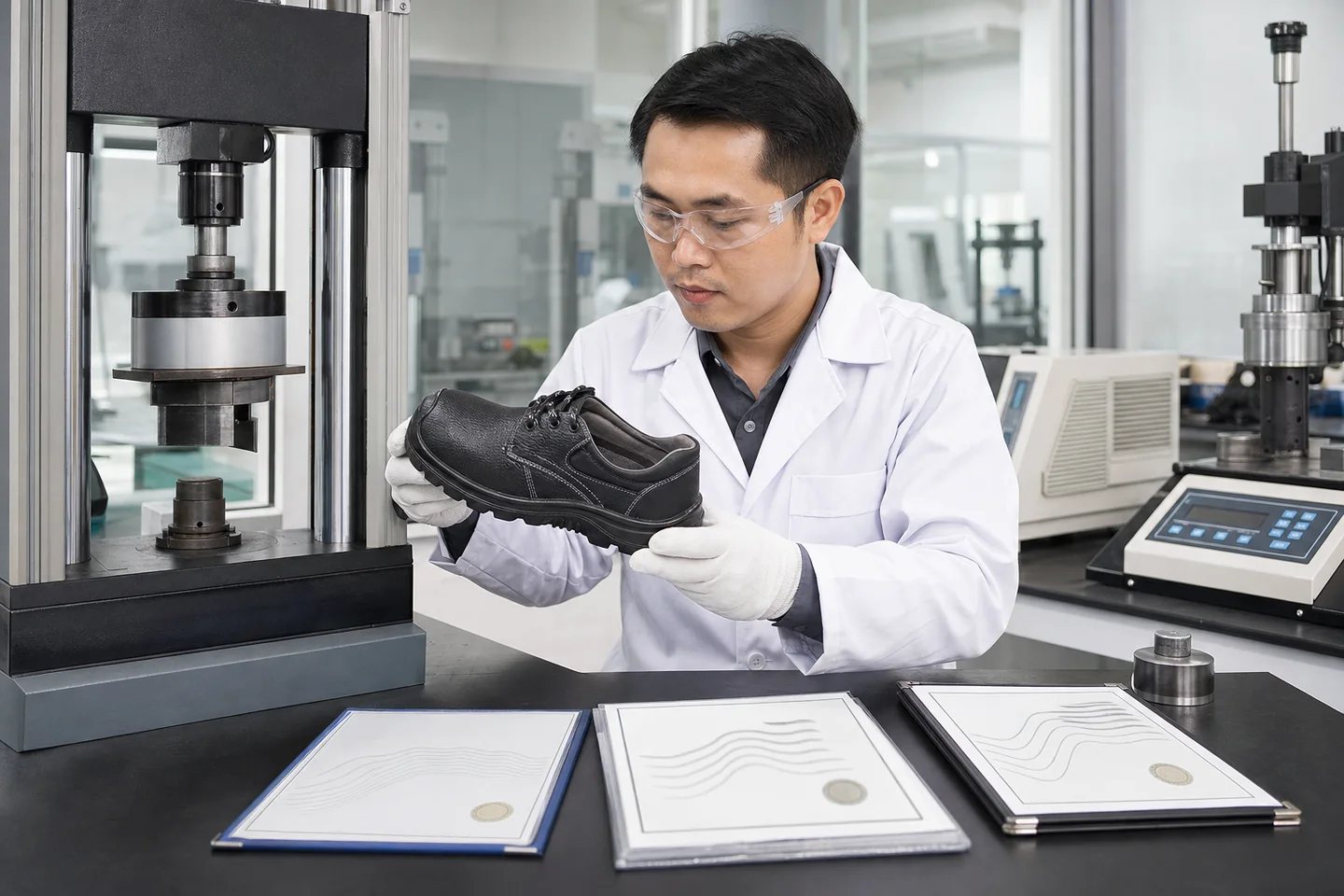
Standards & certification
A practical guide to the standards, approval pathways and model-specific documents used when buying certified safety shoes and boots.
Read guide →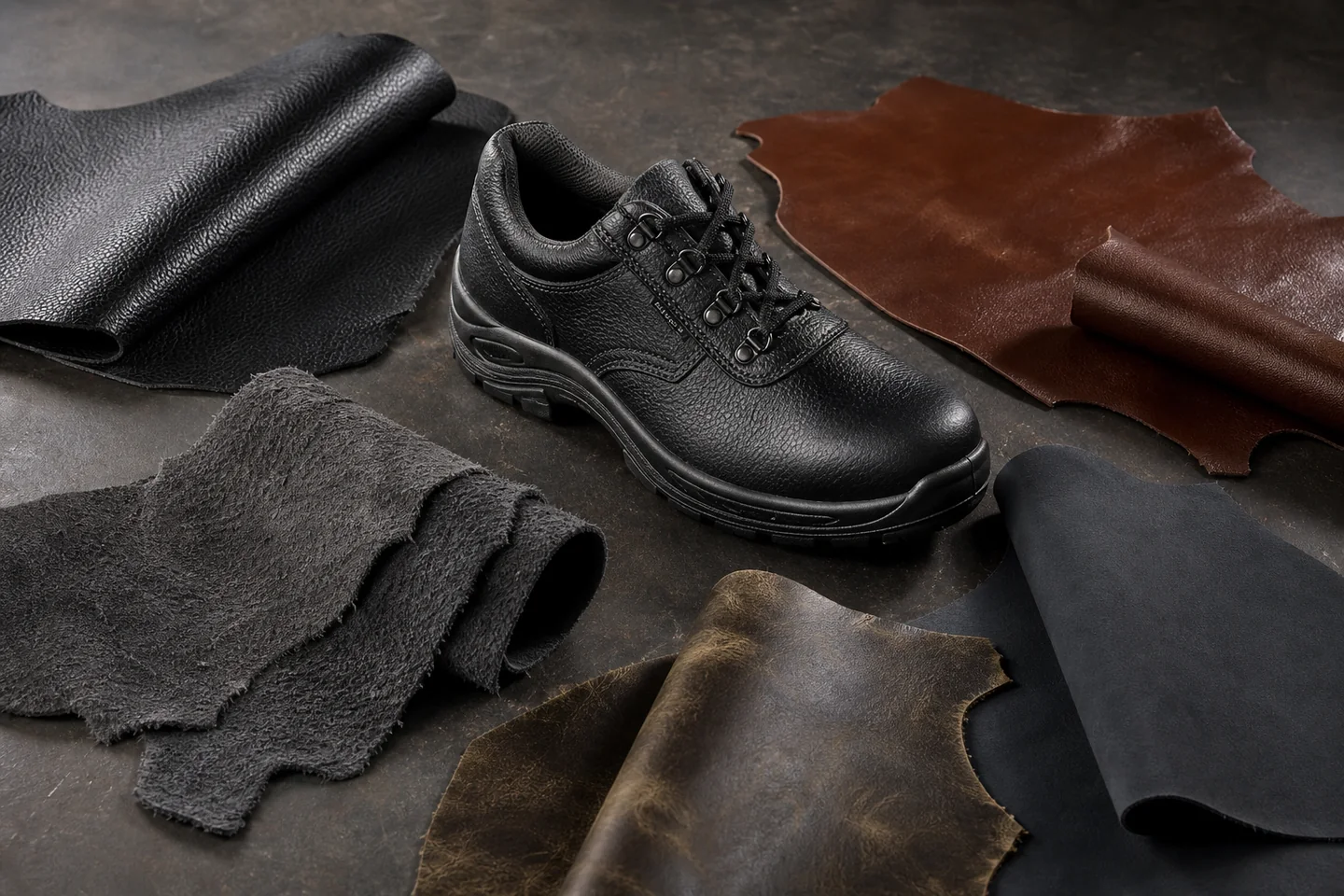
Upper materials
Compare leather and synthetic safety shoe uppers by durability, climate, maintenance, appearance and industrial application.
Read guide →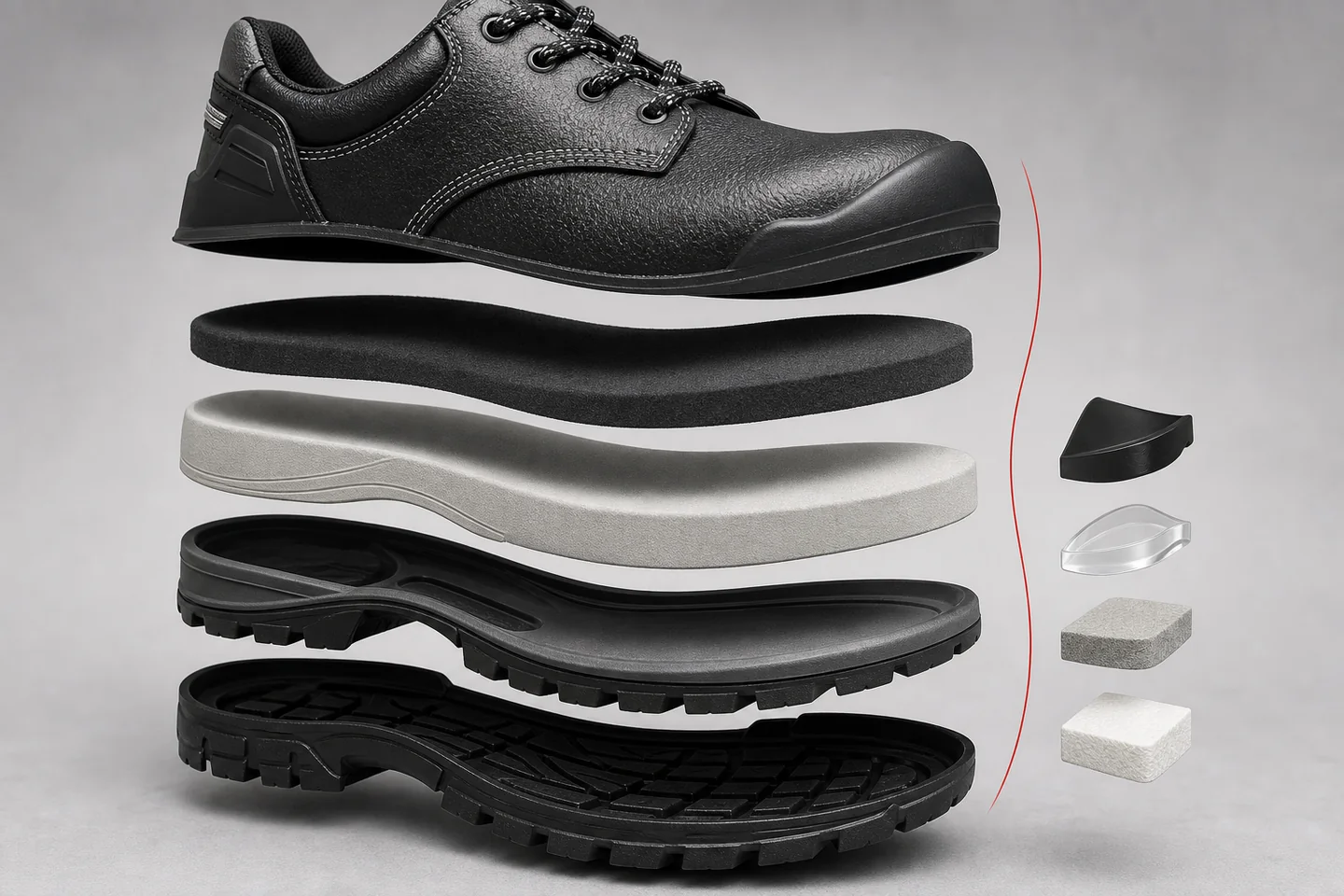
Sole materials & technology
Understand single- and dual-density soles plus PU, NBR, TPU, PVC and EVA material trade-offs for safety footwear.
Read guide →Important: This guide provides general product-selection information. It does not replace a competent risk assessment, the current applicable standard, or the certificate and technical data sheet for the exact footwear model.